Interstitial Cystitis and Bladder Pain Syndrome: Why Your Pelvic Floor Is Part of the Story
Burning, urgency, pressure, going to the bathroom twenty times a day — and every urine culture comes back negative. If you have been passed between providers for years, here is the part that often goes unsaid: the muscles around your bladder are usually involved.
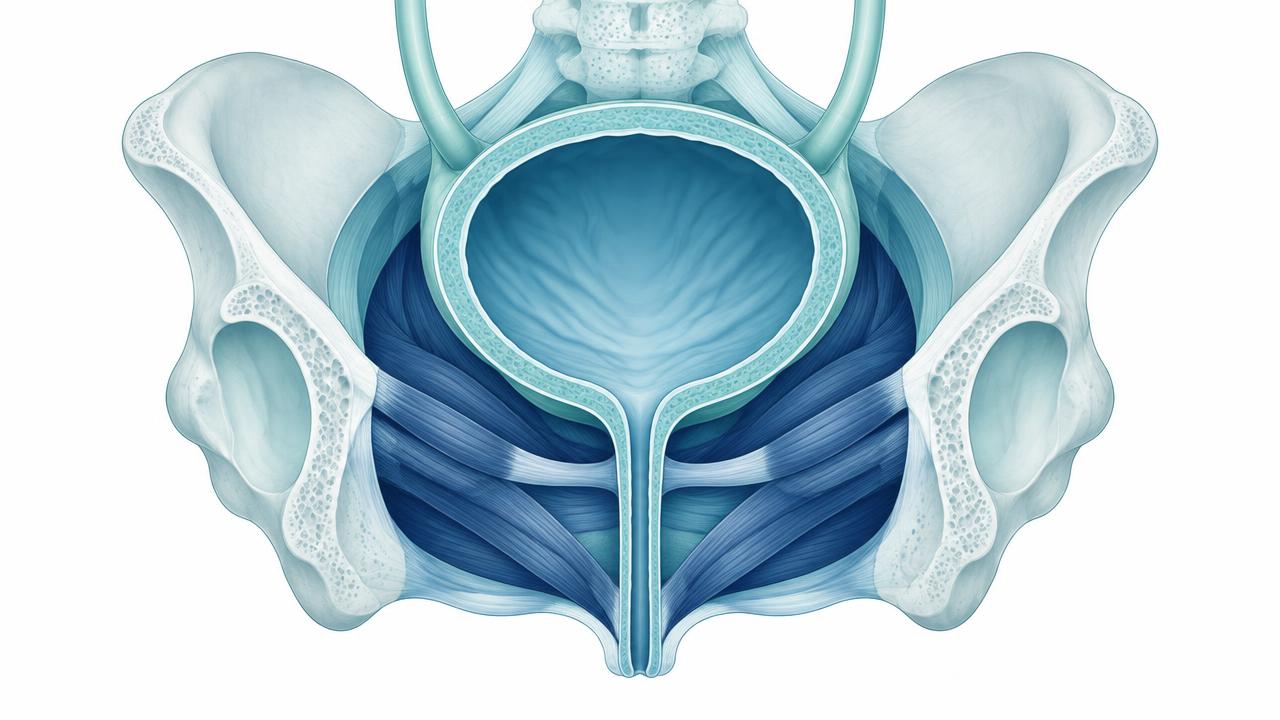
Interstitial cystitis (IC), now more often called bladder pain syndrome (BPS), is persistent pain, pressure or discomfort felt in the bladder or pelvis, along with urinary urgency and frequency, lasting more than six weeks without infection or another clear cause. It is a diagnosis of pattern and exclusion, which is exactly why it takes people so long to get one. The average patient sees several providers over several years first.
What it actually feels like
- Burning, aching or pressure in the bladder, urethra, vagina, perineum or lower abdomen
- Needing to urinate constantly, including through the night, often in small amounts
- Pain that builds as the bladder fills and eases briefly after emptying
- Pain with intercourse, or a flare for a day or two afterwards
- Symptoms that come in flares triggered by stress, certain foods, your cycle, or sitting too long
- Repeated urinary tract infection symptoms with repeatedly negative cultures
The link nobody spells out
A large proportion of people with bladder pain syndrome have a pelvic floor that is overly tight, tender and poorly coordinated — what we call a hypertonic or overactive pelvic floor. Whether the muscles reacted to bladder irritation or drove the symptoms in the first place stops mattering fairly quickly, because once they are involved they generate their own pain, urgency and frequency. Those muscles wrap around the urethra and sit directly beneath the bladder. Guarded, tender muscle there feels like a bladder problem.
This is why manual pelvic floor physical therapy is recommended as a first-line treatment for bladder pain syndrome by urological practice guidelines, alongside education and behavioural strategies — ahead of most medications and well ahead of procedures.
Negative cultures do not mean nothing is wrong. They mean the problem is not an infection.
What treatment looks like here
The first thing I do is assess, not prescribe exercises. Kegels are frequently the worst possible advice for this group — tightening an already overactive muscle reliably increases pain and frequency. Instead, treatment typically involves hands-on myofascial release of the pelvic floor, hip and abdominal muscles, down-training and diaphragmatic breathing to reduce resting tone, trigger point work for the specific tender points that reproduce your symptoms, nerve mobility work where the pudendal nerve is irritated, bladder retraining to gradually stretch the intervals between visits, and practical flare management so you have a plan when one starts.
I also use real-time ultrasound imaging so you can see your pelvic floor at rest and during a contraction, and more importantly during a release. Most people with a hypertonic floor have never successfully let go of the muscle and cannot tell whether they are doing it. Seeing it on screen changes that quickly.
Diet, flares and the rest of your team
Some people have clear dietary triggers — coffee, citrus, tomato, alcohol, artificial sweeteners are the usual suspects — and some do not. I would rather you test them methodically than cut out half of what you eat on the internet’s advice. I also work alongside your urologist, urogynaecologist or gynaecologist rather than instead of them; some people need medical management or bladder instillations as well, and that is a good outcome, not a failure.
If you are in North Jersey
Our clinic is in Upper Montclair, minutes from Montclair, Glen Ridge, Bloomfield, Verona and Cedar Grove. Visits are a full hour, one-on-one, which matters a great deal for pain conditions that need hands-on time and unhurried explanation.