Endometriosis and the Pelvic Floor: Why the Pain Often Outlasts the Surgery
Almost every woman with endometriosis who walks into my office has already been told her imaging looks fine. She is still in pain. That gap is usually where the pelvic floor lives.
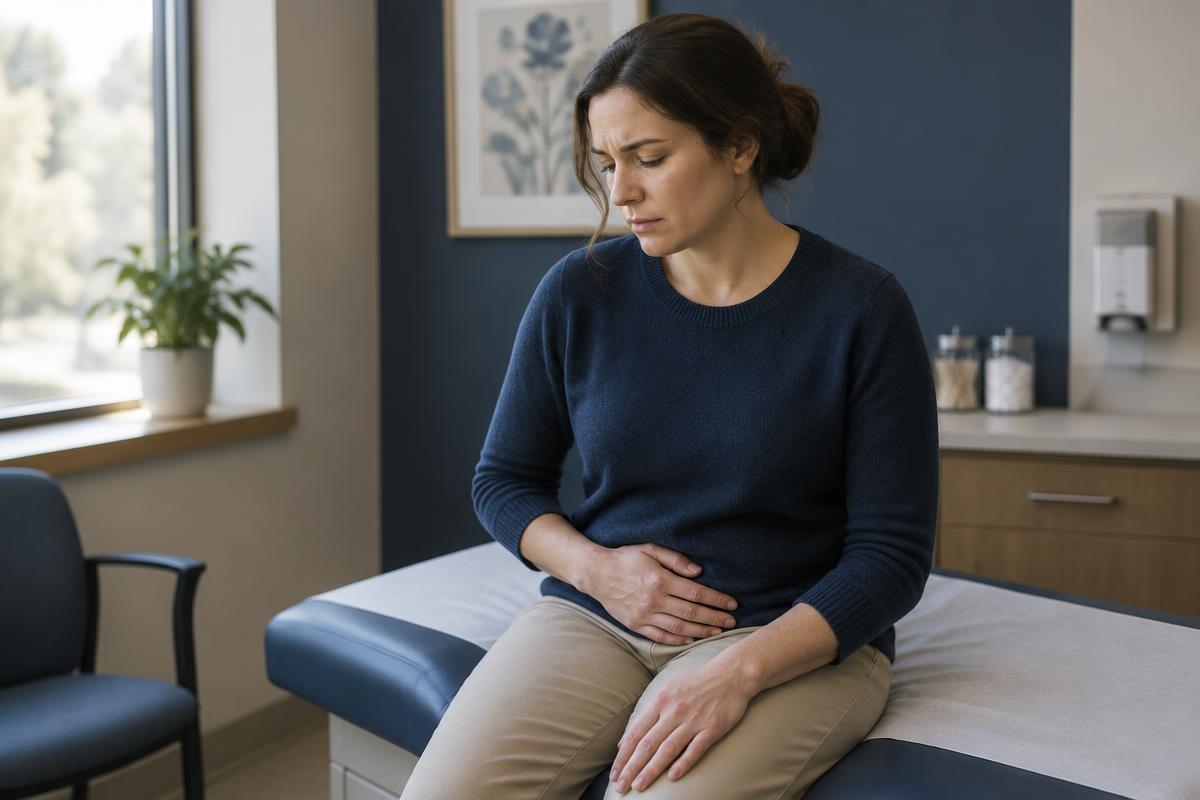
Endometriosis is a disease of tissue — implants where they do not belong, inflammation, adhesions. Treating the disease is the surgeon's job, and a good excision specialist is worth travelling for. But the body does something in response to years of pain that no surgery can undo on its own: it braces.
Muscles that guard for years do not relax the day the implants are removed. They stay short, tender, and quick to fire. That is why so many women tell me that surgery helped the deep cramping but did nothing for the burning with sitting, the pain with sex, the urgency, or the bloating that arrives by 4pm every day.
What endometriosis does to the pelvic floor
- Chronic guarding — the pelvic floor tightens against pain and forgets how to let go, which is what makes penetration, tampons and pelvic exams feel sharp.
- Nerve sensitisation — the nervous system turns up the volume, so normal pressure registers as pain long after the tissue has healed.
- Adhesions and fascial restriction — scar tissue tethers the bladder, bowel and uterus so they no longer glide freely, which shows up as bloating, constipation and a pulling sensation with movement.
- Hip and low back compensation — years of splinting the abdomen changes how the hips and spine load, and the pain spreads outward.
What I actually do in a session
The first visit is mostly listening and looking. I want your cycle history, your surgical history, what makes it worse at hour three of a workday, and what you have already tried. Then I assess breathing, ribcage and abdominal mobility, hips, and — only with your consent — the pelvic floor itself. Internal work is never required. Plenty of my endometriosis patients make excellent progress with external work alone.
From there, treatment usually blends visceral mobilisation and abdominal myofascial release to restore glide around the bladder, bowel and uterus; manual therapy for the pelvic floor, hips and abdominal wall; diaphragmatic breathing to downtrain a floor that has been holding for years; and real-time ultrasound biofeedback so you can see on screen whether your muscles are letting go rather than guessing.
The goal is not to teach you to tolerate pain. It is to give the tissue a reason to stop expecting it.
Before and after excision surgery
If you have surgery on the calendar, the weeks before it are valuable. Softening the pelvic floor and abdominal wall in advance means you go into the operating room with less guarding and come out of it recovering into a body that already knows how to breathe and release. Afterwards, we wait for your surgeon's clearance, then begin gentle scar mobilisation over the port sites before adhesions mature.
How long does it take?
Honest answer: most women with a long endometriosis history notice meaningful change somewhere between six and twelve sessions, and the flare days get shorter before they disappear. Pain that took years to build rarely leaves in three visits, and I would rather tell you that on day one than sell you a faster story.