Understanding Postpartum Recovery
Pregnancy and childbirth are extraordinary — and they change your body in ways that don't always resolve on their own. Postpartum physical therapy helps you recover from those changes: diastasis recti (the gap in your abdominal muscles), pelvic floor weakness or tearing, C-section scar tightness, urinary leaking, back pain, and the feeling that your core just doesn't work the way it used to.
The standard six-week checkup clears you for exercise, but it doesn't assess whether your body is actually ready. Your pelvic floor and deep abdominal muscles may still be weak, tight, or uncoordinated. That's why so many new mothers leak when they run, feel heaviness in the pelvis, or can't get rid of the "mommy tummy" — which is often diastasis recti, not fat. Physical therapy for diastasis recti is one of the most common reasons patients come to us, and the results are measurable: we use real-time ultrasound to see and track the gap closing as your core reconnects.
If you've had a C-section, C-section physical therapy is just as important. The scar can limit your abdominal muscle function and cause pain, and the pelvic floor still bears the weight of pregnancy for nine months. We treat patients from Montclair and across North Jersey who want to feel strong, supported, and confident after birth.
Signs & Symptoms
If you experience any of these after childbirth, pelvic floor physical therapy can help:
- • A visible gap or bulge between your abdominal muscles (diastasis recti)
- • Leaking urine when you cough, sneeze, jump, or run
- • A feeling of heaviness, pressure, or "something falling out" in the pelvis
- • Low back pain, hip pain, or pelvic pain that started after pregnancy
- • A C-section scar that feels tight, raised, or painful
- • Weakness or "doming" in your core when you sit up or lift
- • Pain with intercourse after delivery
- • Difficulty returning to exercise without leaking, pain, or heaviness
How I Treat Postpartum Recovery
Your first visit is a full postpartum assessment — not just your pelvic floor, but your posture, breathing, scar mobility, and core strength. I use real-time ultrasound imaging (RUSI) to show you your pelvic floor and deep abdominal muscles working in real time, so you know exactly what's happening and what we need to fix. If you have diastasis recti, I measure the gap both with my hands and on the ultrasound screen — because guessing isn't good enough.
See real ultrasound biofeedback in action on Instagram @pelvicptplusTreatment is hands-on and progressive: manual therapy for tight tissue and scar mobilization, targeted core and pelvic floor strengthening, pressure management strategies, and a guided return to exercise so you can run, lift, and live without leaking or pain. We move at your pace — whether you're six weeks or six years postpartum, it's never too late to recover.
How We Help You Recover
Postpartum recovery is more than a 6-week checkup. We provide thorough evaluation and hands-on treatment to address what your body actually needs after birth.
Diastasis Recti Rehabilitation
Assessment and treatment of abdominal separation after pregnancy with targeted core restoration exercises and manual techniques. We combine hands-on palpation with real-time ultrasound imaging to accurately measure the gap and track your progress — see our in-depth guide to physical therapy for diastasis recti.
C-Section Scar Recovery
Scar tissue mobilization and desensitization to improve healing, reduce adhesions, and restore abdominal function after cesarean delivery.
Pelvic Floor Restoration
Rebuilding pelvic floor strength and coordination after vaginal or cesarean delivery to address weakness, heaviness, or leaking.
Return to Exercise
Guided, progressive return to running, lifting, and fitness with pelvic floor assessment to ensure you're ready — not just cleared.
Core & Posture Retraining
Correcting postural changes from pregnancy and breastfeeding, and restoring deep core function for pain-free daily activities.
Perineal Tear Recovery
Treatment for pain, scar tissue, and muscle dysfunction from perineal tearing or episiotomy during delivery.
What to Expect
Postpartum Evaluation
We assess your core, pelvic floor, posture, and overall function — ideally starting 4–6 weeks after delivery, but it's never too late to begin.
Supportive Environment
We understand the demands of new parenthood. Sessions are flexible, babies are welcome, and your comfort is always our priority.
Frequently Asked Questions About Postpartum Recovery
Related Conditions We Treat
Incontinence
Treatment for urinary and fecal incontinence with RUSI biofeedback.
Pelvic Pain
Expert treatment for chronic pelvic pain and muscle tension.
Pelvic Organ Prolapse
Non-surgical management for pelvic organ descent.
Postpartum Pelvic Floor Therapy
RUSI-guided pelvic floor retraining and diastasis recti repair.
Fertility Rehab
Pelvic floor support during your fertility journey.
Related Articles
Learn more about this condition from our blog
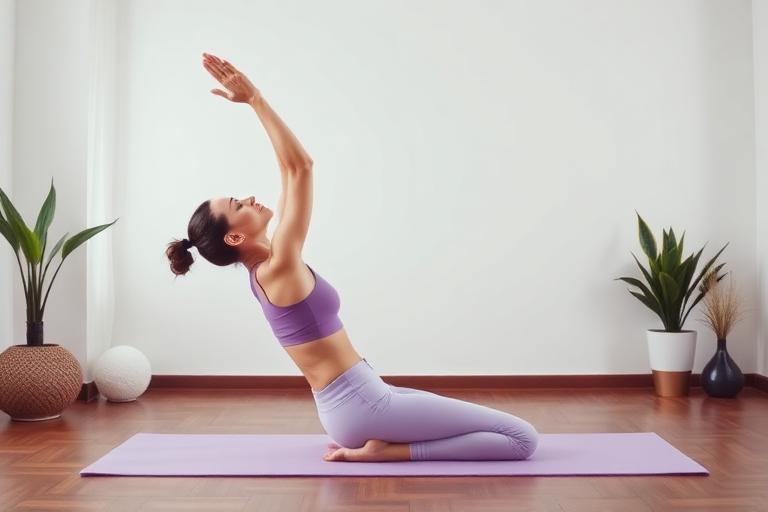
Diastasis Recti: How We Measure the Gap—and Help Your Core Work Again
How we use palpation plus real-time ultrasound to accurately measure diastasis recti and track your core recovery — no guessing, just evidence-based rehab.
Diastasis Recti: What Is It Really — and Can You Fix the Gap in Your Belly?
A plain-language look at what diastasis recti is, why it happens, and what actually works to close the gap.

Postpartum Recovery After Birth: A North Jersey Mom's Guide to Pelvic Floor Rehab
A comprehensive guide for new moms on rebuilding pelvic floor strength after pregnancy and delivery.
5 Signs You Need Pelvic Floor Therapy — And Where to Find It in North Jersey
Discover the key warning signs that your pelvic floor needs professional help.

Questions Every Patient Has About Pelvic Floor Physical Therapy
Get answers to the most common questions patients ask about pelvic floor physical therapy.
Free Guides You Can Start Using Today
Tell us where to send it and the PDF is yours right away — it downloads instantly and lands in your inbox too.
Vagercise
Quality kegels done right — learn the correct technique for effective pelvic floor exercises. Most people are doing them wrong.
Be the Bladder Boss
Practical strategies and exercises to help you regain bladder control and confidence in your daily life.