Understanding Pelvic Organ Prolapse
Pelvic organ prolapse is when one or more of your pelvic organs — the bladder, uterus, or rectum — drops from its normal position and presses against the vaginal wall. It happens when the pelvic floor muscles and connective tissue that hold everything up become weak or stretched, often after pregnancy and childbirth, chronic constipation, heavy lifting, or menopause.
If you've been searching for "pelvic organ prolapse doctors near me," you may have seen suggestions that surgery is your only option. It isn't. Pelvic floor physical therapy is a proven first-line treatment for prolapse — strengthening and re-coordinating the muscles that support your organs, teaching you how to manage pressure so you don't worsen the prolapse, and helping you return to exercise, lifting, and the activities you love. Up to half of women who have given birth have some degree of prolapse, and most see meaningful improvement with therapy alone.
We see patients from Montclair, Essex County, and across North Jersey who want non-surgical prolapse treatment — and we help them understand what prolapse is, what grade they have, and what they can do about it.
Signs & Symptoms
If you experience any of these, pelvic floor physical therapy can help:
- • A feeling of heaviness, pressure, or "something falling out" in the pelvis
- • A visible bulge or lump at or near the vaginal opening
- • Leaking urine, especially with coughing, sneezing, or activity
- • Difficulty emptying your bladder or bowel completely
- • Urinary urgency or frequency
- • Lower back pain or aching that worsens by end of day
- • Discomfort or pressure that improves when lying down
- • Pain or discomfort with intercourse
How I Treat Prolapse
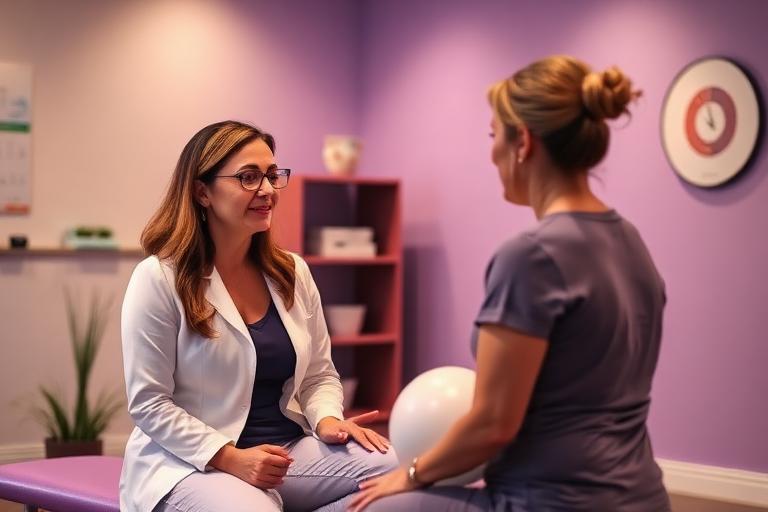
Your first visit starts with education — understanding the type and grade of your prolapse, what's causing the pressure, and what daily habits may be making it worse. I assess your pelvic floor strength and coordination using real-time ultrasound imaging (RUSI), so you can see whether your muscles are actually doing their job.
See real ultrasound biofeedback in action on Instagram @pelvicptplusTreatment focuses on building the strength and coordination to support your organs, learning pressure management strategies — how to lift, cough, and move without bearing down — and guiding you back to exercise safely. If a pessary is right for you, we coordinate with your physician on fitting. The goal is simple: help you feel supported, confident, and active — with or without surgery.
How We Help with Prolapse
Pelvic organ prolapse affects up to 50% of women who have given birth. With the right guidance, most people can significantly reduce symptoms and return to the activities they love.
Bladder Prolapse (Cystocele)
Pelvic floor strengthening and support strategies to manage bladder descent and reduce symptoms of pressure and urinary dysfunction.
Uterine Prolapse
Conservative management through pelvic floor rehabilitation, lifestyle modifications, and coordination training to improve support.
Rectal Prolapse (Rectocele)
Treatment for rectal bulging including bowel management strategies, pelvic floor retraining, and manual therapy techniques.
Pelvic Floor Strengthening
Targeted exercise programs using RUSI biofeedback to ensure you're activating the right muscles with the right technique.
Pessary Support
Guidance and support for pessary use as a non-surgical option, including fitting coordination with your physician.
Exercise with Prolapse
Learn how to safely exercise, lift, and stay active with prolapse through pressure management strategies and movement modification.
What to Expect
Prolapse Assessment
We evaluate the type and grade of prolapse, your pelvic floor strength, and daily activities to create a management plan that fits your life.
Non-Surgical Options
Many patients see meaningful improvement with physical therapy alone. We help you understand all your options and make the best decision for you.
Frequently Asked Questions About Pelvic Organ Prolapse
Related Conditions We Treat
Incontinence
Treatment for urinary and fecal incontinence with RUSI biofeedback.
Pelvic Pain
Expert treatment for chronic pelvic pain and muscle tension.
Postpartum Recovery
Rebuild your core and pelvic floor after pregnancy and childbirth.
Women's Pelvic Organ Prolapse
In-depth prolapse care with pessary guidance and RUSI.
Women's Health
Comprehensive pelvic health services for women.
Related Articles
Learn more about this condition from our blog
5 Signs You Need Pelvic Floor Therapy — And Where to Find It in North Jersey
Discover the key warning signs that your pelvic floor needs professional help.

Why Kegels Alone Aren't Enough — What Your Pelvic Floor Actually Needs
Learn why a comprehensive approach with real-time ultrasound imaging delivers better results.

Why Pelvic Physical Therapy Matters — A Guide for North Jersey Residents
Discover why pelvic physical therapy is essential for your health and well-being.
Free Guides You Can Start Using Today
Tell us where to send it and the PDF is yours right away — it downloads instantly and lands in your inbox too.
Vagercise
Quality kegels done right — learn the correct technique for effective pelvic floor exercises. Most people are doing them wrong.
Be the Bladder Boss
Practical strategies and exercises to help you regain bladder control and confidence in your daily life.